Why We Cook Fish With the Head Still On

A Tradition Passed Down

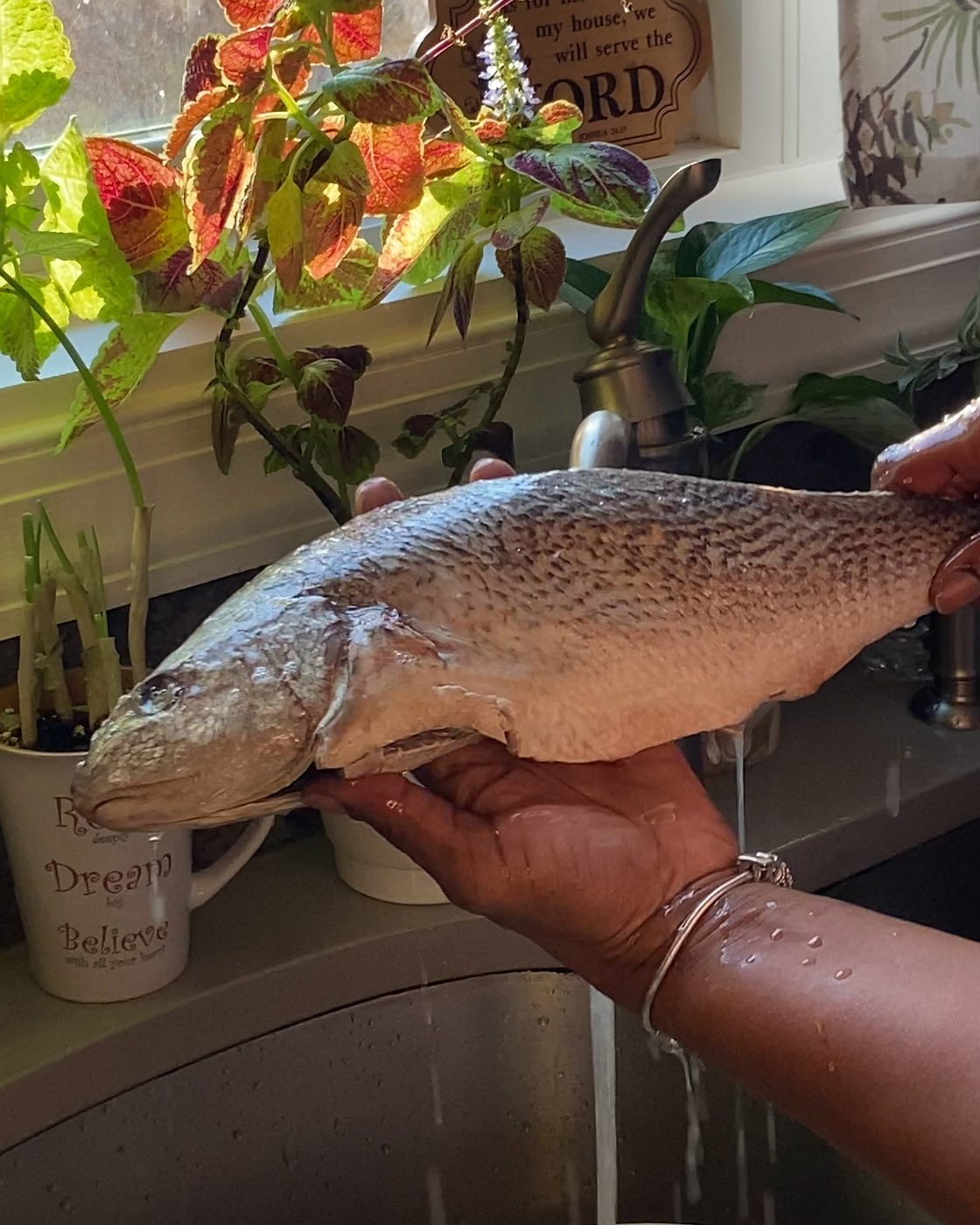
Growing up in the United States, in a Jamaican household, fish was cooked with the head still on. That wasn’t strange. It wasn’t symbolic. It was simply how food showed up in our kitchen. The head told you what kind of fish it was. It told you if it was fresh. It told the truth.

As a teenager, I remember friends coming over and stopping in their tracks when they saw dinner being prepared.


“Ewww… why is the head still on?!”


To me, nothing unusual was happening. Someone was cooking.

That same reaction followed me into adulthood. I’ve cooked for people who were genuinely amazed, not by the seasoning or the final plate, but by the fact that I knew how to scale, gut, and handle a whole fish with ease.


“You’re holding that fish like that?!”

Yes. Because someone taught me. Because food wasn’t separate from process. Because preparation was part of the relationship.

In many cultures around the world — and in households like mine — fish is cooked whole for practical reasons. The eyes and gills tell you about freshness. (They eyes, especially, are packed with protein.) The head and bones add depth and flavor. The cheeks are tender and prized. Nothing is rushed to be discarded because nothing is considered disposable.


But there’s also something deeper at work.


Cooking a fish whole reflects a way of moving through the world — one shaped by care, tradition, and legacy. The life taken is acknowledged. The process is honored. Knowledge is passed down hand to hand, generation to generation. What you’re really learning isn’t just how to cook — it’s how to carry something forward.


That’s the part that stays with you.


For me, that sense of legacy shows up most clearly in the small, consistent choices I make in the kitchen. And one of those choices is always fresh rosemary.

I can’t make fish without it. Not because it’s fancy, but because it’s familiar. The scent instantly grounds the moment. It slows the process down. It reminds me that good food doesn’t start at the stove; it starts outside, in the soil, long before the pan gets hot.


Fresh rosemary feels like continuity. Like something living that you tend, return to and rely on again and again. It’s not measured so much as remembered. And once you’ve cooked with it fresh, it becomes hard to go back.


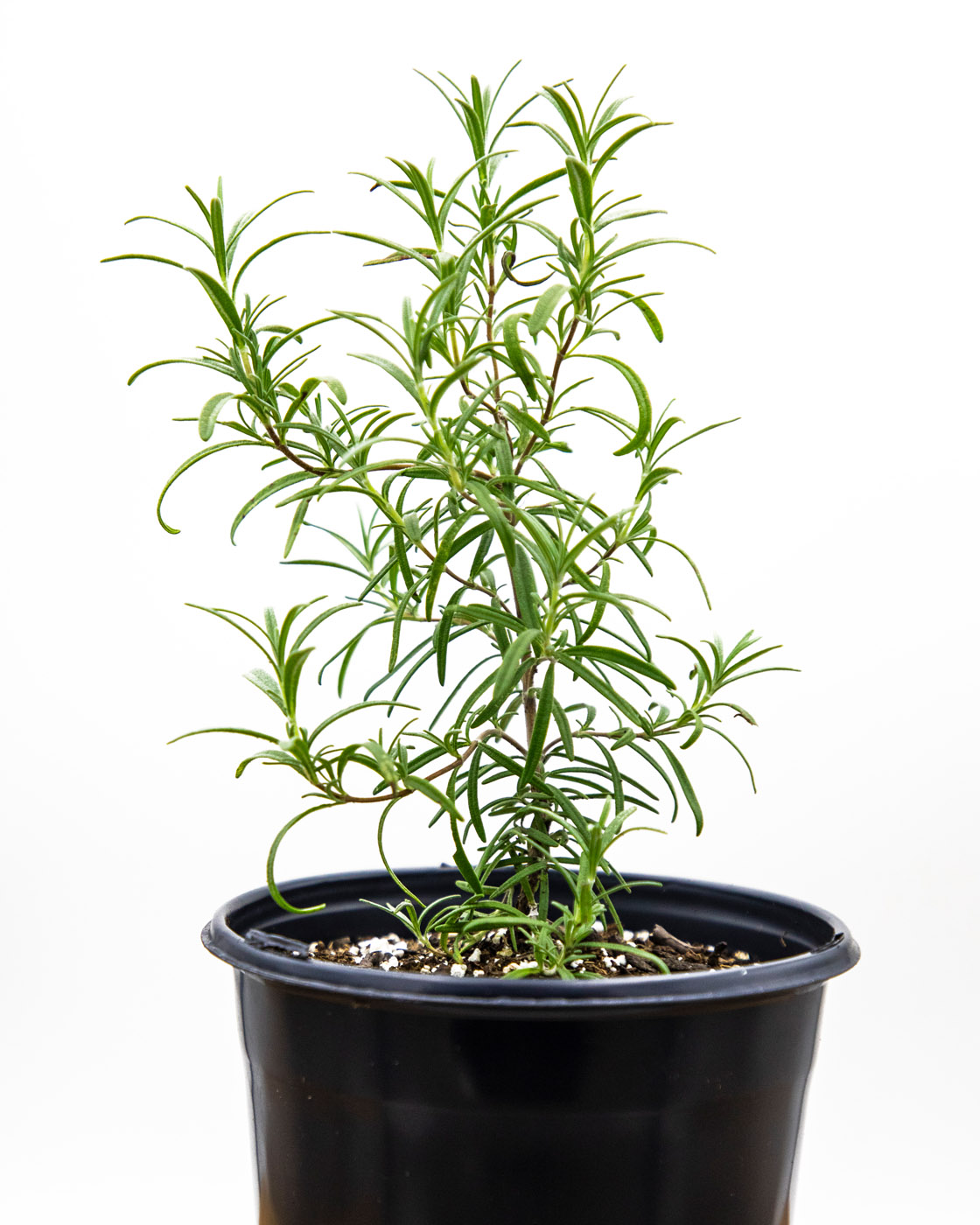
That’s why I grow it. That’s also why I offer it to others, not as a product, but as a piece of access. There’s a quiet power in stepping outside, clipping what you need and bringing it straight into your cooking.

A single rosemary plant can give for years. It becomes part of your rhythm, your meals, your own legacy in the making. If that speaks to you, fresh rosemary plants are available through my site, ready to be planted and lived with.


In contrast, American food culture often favors convenience and visual comfort. Fish is trimmed, filleted, cleaned and packaged early; long before it reaches the kitchen. The head disappears so people don’t have to think too hard about where the food came from or what it once was.


Neither approach is wrong. They’re simply rooted in different relationships to land, labor and food. The trouble begins when difference is met with dismissal.


That quick “ew” reaction isn’t really about the fish. It’s about unfamiliarity. It’s about distance: from food, from process, from traditions that ask us to slow down and stay present.


And this is where the lesson moves beyond the kitchen.


Life often places unfamiliar things in front of us — people, ideas, ways of living — that arrive with the “head still on.” They aren’t polished. They don’t fit neatly into what we already know. And our instinct can be to turn away before understanding what’s actually being offered.


But curiosity changes things.


When we pause instead of recoil, when we choose to learn instead of judge, we create space for transformation. Not the loud, forced kind, but the quiet kind that happens when something takes root.


As someone who works closely with soil, food and living plants, I’ve learned that transformation doesn’t come from rushing the process. It comes from honoring what’s been passed down and deciding how you’ll carry it forward.


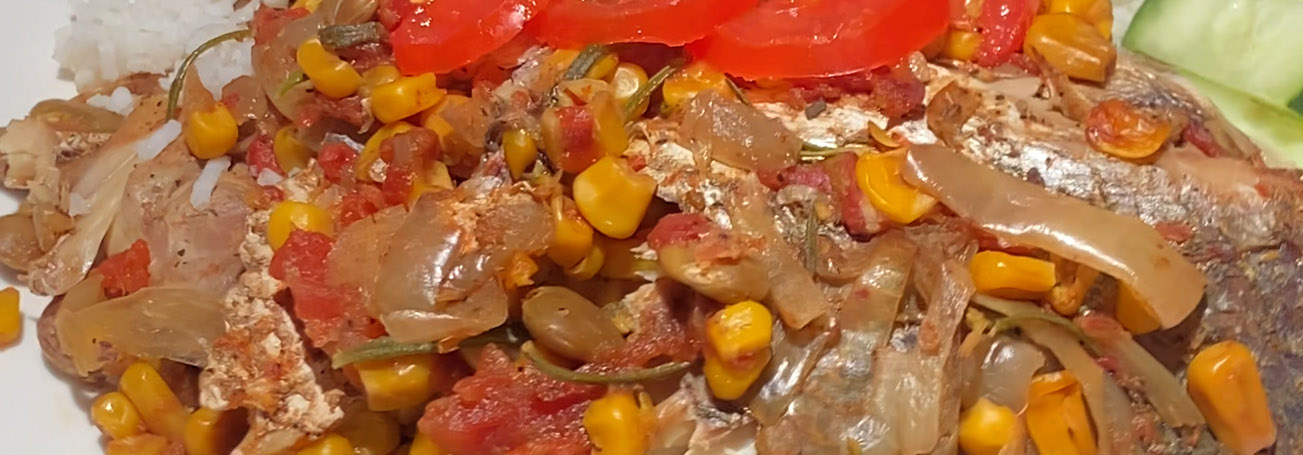
I cooked a whole fish recently, head still on, rosemary starring alongside it, my unique twist on what I was taught. And as the kitchen filled with that familiar scent, I thought about how often we miss nourishment in life simply because it doesn’t arrive in a familiar form.


Sometimes the head stays on for a reason.


And sometimes, the reward comes not from certainty — but from curiosity.

Find this insightful? Share this!

Related Post

A Day at Rawlings Conservatory: A Horticultural Wonder in Druid Hill Park

July 22, 2025 Last Saturday, my husband and I spent the afternoon exploring The Rawlings Conservatory in Baltimore and it turned into one of…

Life AD (After Dad): Living Through Grief, Rebuilding Joy

Ten Years Without My father It’s hard to admit that it’s been ten years since my father passed away. I still can’t quite believe…